The Kitchen is the Heart: A Designer’s Perspective
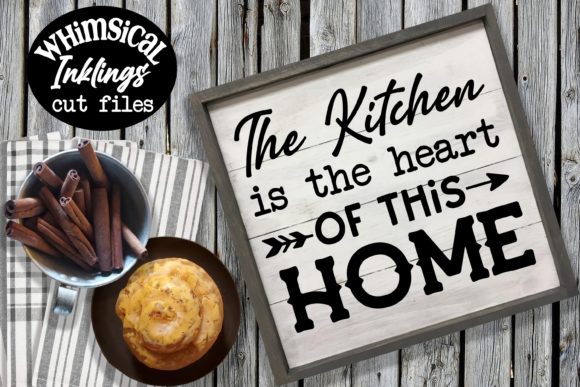
As an experienced embroidery designer and product reviewer, I always approach a new design with curiosity and a critical eye. When I first saw The Kitchen is the Heart, I was drawn in by its warm sentiment and visual balance. The phrase itself is classic—“The kitchen is the heart of this home”—but what sets this design apart is how it translates that message into a thoughtful illustration that feels both inviting and versatile.
First Impressions and Visual Personality
Right out of the gate, The Kitchen is the Heart exudes a cozy, homey vibe. It’s not just text; it’s an illustration-based embroidery file that blends words with imagery to create a sense of place and emotion. The layout suggests a soft script paired with a stylized kitchen icon—perhaps a simple house with a pot or pan on the stove. This kind of visual storytelling works well for handmade products and adds a layer of charm that appeals to customers seeking meaningful, personalized items.
What stands out is the attention to detail in the design. While it doesn’t overwhelm with complexity, there are enough subtle elements to make it feel authentic and hand-crafted. The balance between lettering and imagery makes it adaptable across various embroidery projects. For someone running a craft business or selling on Etsy, this kind of personality can elevate a basic item into something memorable.
Real-World Embroidery Use Cases
I imagine using The Kitchen is the Heart most effectively on items like kitchen signs, aprons, pillow covers, and custom sweatshirts. Its thematic nature fits perfectly with holiday gifts, nursery decor, and even wedding-themed keepsakes. On a tote bag, it could serve as a charming tote bag design that speaks to a love of cooking or family gatherings. On baby clothes or accessories, the gentle curves and positive tone might work well as a personalized gift.
For sweatshirt embroidery, the design’s moderate scale and clarity would make it ideal for a front pocket or back panel, especially if you’re aiming for a boutique-style look. As an embroidered patch, it could be used on jackets or denim bags, adding a touch of warmth and character without overwhelming the fabric.
Design Versatility in Action
One thing I appreciate about this machine embroidery design is its ability to work in different formats. Whether stitched on cotton, linen, or a blend, the design maintains its integrity when properly stabilized. That said, I’d caution against placing it on stretchy materials like spandex blends unless you’re prepared to adjust stitch density and possibly use a stabilizer underneath.
As an embroidery file, it offers enough flexibility to suit a range of customer preferences. You can tweak thread colors to match your brand palette or the recipient’s tastes. For instance, choosing red and gold threads for a festive season gift or pastel tones for a baby shower item. The key here is ensuring the thread colors contrast well with the fabric background to maintain visibility and impact.
Where to Use It Carefully
While The Kitchen is the Heart is a solid choice for many projects, there are certain scenarios where it may require more thought before stitching. If you're working with a small hoop size, the design's overall dimensions might need scaling down, which could affect readability, especially if the text contains small details or delicate lines.
- Textured fabrics: Stitched on canvas or burlap, the design may lose some of its smoothness due to the fabric grain. Testing is essential here.
- Thin or stretchy fabric: The weight of the stitches could cause puckering or distortion if not handled carefully.
- Dark backgrounds: Thread color selection becomes even more important to ensure legibility and visual appeal.
- Curved surfaces: Designs placed on caps or curved patches may require manual adjustments to keep alignment consistent.
- Frequent washing: Items like tea towels or aprons should be tested for durability and washability to confirm the design holds up over time.
Impact on Product Value and Customer Engagement
From a commercial embroidery standpoint, this design has strong potential to increase the perceived value of a product. Its emotional resonance can lead to higher buyer engagement, particularly among those who want to express their values through the items they purchase. In an Etsy listing, for example, pairing this with a high-quality printable mockup or showcasing it on a sample handmade product can help buyers visualize how it will look in real life.
It also contributes to brand consistency if you're curating a line of homeware or lifestyle products. The design supports a narrative around home, family, and comfort—key themes in today’s handmade market. As a result, it can become a signature element in your design assets, helping your shop stand out in a crowded marketplace.
Professional Considerations for Makers
Before committing to a full production run or client project, I recommend doing a few practical checks with The Kitchen is the Heart:
- Test on scrap fabric: Especially if you plan to use it on textured or stretchy materials.
- Review stitch density: Dense areas might need thinning out depending on fabric type.
- Confirm hoop size: Make sure the design fits comfortably within your available hoop sizes.
- Inspect small details: Check whether tiny lines or letters hold up after stitching.
- Use proper stabilizer: This will prevent distortion and improve stitch quality, especially on thinner materials.
- Check licensing: Before selling finished items or digital products, verify whether the design allows commercial use.
These steps aren't just best practices—they’re part of the process that separates a good design from a great one in the eyes of your customers. Even the smallest oversight can affect the final outcome and, ultimately, customer trust.
Design Notes for Creative Entrepreneurs
If you're a creative entrepreneur looking to expand your product offerings, consider how this design could fit into your existing lineup. Could it be part of a themed collection? Might it pair well with other Illustrations and Graphics in your inventory?
Because of its simplicity and elegance, The Kitchen is the Heart can be adapted for multiple uses. Think of it as a multi-purpose asset. It works equally well as a standalone embroidery project or as part of a larger composition. Just be mindful of how the design interacts with other elements, especially when creating layered garments or mixed-media pieces.
Another consideration is the lighting in your photos. The way the design looks under bright lights versus dimmer settings can influence buyer perception. Using black-and-white mockups during testing can help you spot any issues with stitch clarity or contrast that might not be obvious in color previews.
Final Thoughts for Designers and Sellers
In my experience, designs that speak directly to the senses and emotions tend to resonate the most with customers. The Kitchen is the Heart achieves that balance beautifully. It’s not flashy, but it’s heartfelt—and that kind of authenticity is powerful in the world of handmade shop owners and digital product sellers.
Still, don’t overlook the importance of preparation. Always test the design on your intended fabric and review the stitch directions thoroughly. If you're planning to use it commercially, double-check licensing terms to avoid legal pitfalls later. These small steps can make a big difference in the final finished product and your reputation as a reliable seller.
Overall, The Kitchen is the Heart is a design worth considering for your next embroidery project. With careful planning and execution, it can become a standout piece in your collection and a cherished personalized gift for your customers.