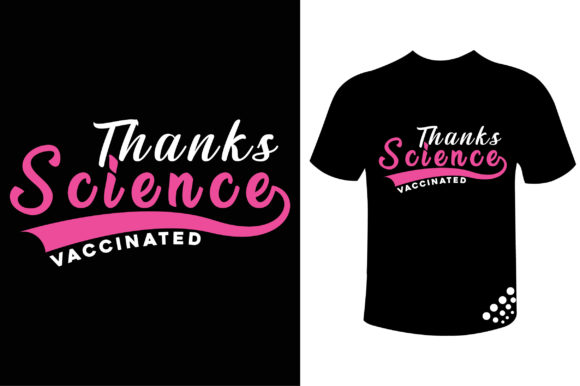
Thanks, Science Vaccinated Coronavirus Embroidery Design Review
As an embroidery designer who's spent years evaluating digital designs for real-world use, I've learned to look beyond the flashy visuals and into how a design functions across different projects. When I first saw Thanks, Science Vaccinated Coronavirus, it struck me as a bold and timely message with potential for both personal and commercial applications. But does it translate well from screen to fabric? Let’s take a closer look at what this design offers, where it shines, and where you might want to tread carefully.
First Impressions: A Message of Gratitude with a Contemporary Edge
The phrase “Thanks, Science Vaccinated Coronavirus” is presented in a modern typography style that immediately grabs attention. It feels like a conversation starter—something that could resonate with people who are grateful for the progress made during the pandemic or those looking to express optimism through their handmade items. The layout is clean and centered, with ample negative space around the text that allows the message to breathe. The visual personality is confident and slightly humorous, making it suitable for casual wear and home décor alike.
What stands out is the balance between detail and simplicity. There aren’t any intricate flourishes that would complicate stitching, yet the font has enough character to avoid feeling generic. This makes it a strong candidate for custom apparel and embroidered patches, especially if you're aiming for something that feels current but not overwhelming.
Real-Life Use Scenarios: Where This Design Fits Best
I often test how a design will perform on common embroidery substrates, and Thanks, Science Vaccinated Coronavirus works surprisingly well in several contexts:
- Tote bag design: The large PNG file (4500×5400 at 300 dpi) gives you high-resolution flexibility when scaling the design up. On cotton canvas tote bags, the typeface holds its shape and clarity, even after multiple washes.
- Sweatshirt embroidery: For hoodies or sweatshirts, this design adds a touch of personality without being too loud. Its mid-sized format fits nicely on the chest area or back neck, depending on your project goals.
- Custom apparel: The design’s message is versatile enough for men's and women's tees, long sleeves, and more. As an Etsy seller or boutique owner, you can easily adapt it for seasonal collections or gift bundles.
- Baby clothes and nursery decor: While the theme may be a bit grown-up for tiny ones, the design could still work on larger items like baby carriers or pillow covers. Just keep the thread colors soft and consider using satin stitch for a polished finish.
- Embroidered patch: If you're planning to turn this into a patch, the structure supports it well. However, pay close attention to stitch density to ensure durability and ease of application.
- Holiday gifts and personalized products: This design could make a unique addition to holiday-themed items, such as embroidered aprons or tea towels, especially if paired with subtle running stitch outlines or fill stitch backgrounds.
Design Notes for Embroidery Success
One thing I always recommend when working with a new machine embroidery design is to start by testing it on scrap fabric. With Thanks, Science Vaccinated Coronavirus, I found that the letters hold their shape well on medium-weight quilting cotton, but the same may not be true for stretchy or thin fabrics. Here are some key considerations before you commit to a full production run:
- Check thread color contrast: The design doesn't specify thread colors, so it's important to choose hues that pop against your chosen fabric. Light thread on dark fabric can reduce visibility unless you’re using a stabilizer with a clear backing.
- Review stitch density: Dense areas may cause puckering if the fabric isn't stabilized properly. Especially for commercial embroidery projects, adjusting the density for the fabric thickness can save time and materials.
- Confirm hoop size: Since the design is quite wide, you'll need to ensure your hoop can accommodate the entire layout without distortion. If unsure, scale down the design or split it into parts.
- Inspect small details: Although there’s no overly fine lettering, the spacing between words should be checked closely. Too much compression can affect legibility, while too much expansion might feel awkward on smaller surfaces.
- Test black and white mockups: Before finalizing thread choices, print a grayscale version of the design to see how it will appear in monochrome or under different lighting conditions.
- Compare light and dark fabric backgrounds: This design’s impact depends heavily on the background. Darker fabrics may require lighter thread colors or additional outlining techniques.
- Use proper stabilizer: Whether you're working on a tote bag or a delicate apron, the right stabilizer can make all the difference in preventing shifting and maintaining stitch integrity.
- Confirm licensing: Always double-check the terms if you plan to sell finished products or digital embroidery files. Though this product is listed under Print Templates and Graphics, it's best to verify whether it allows commercial use.
- Small hoop sizes: The width of the design means it won’t fit in most standard small hoops unless resized significantly, which could compromise readability.
- Textured fabrics: Fabrics like linen or flannel can distort the smooth curves of the typography. Stick to smoother weaves for better results.
- Stretchy or thin fabric: Stretch can pull the design out of alignment, and thin material may not support dense stitching without showing through.
- Dark fabric: Thread visibility becomes critical here. You’ll need to select lighter thread colors or add a running stitch border to maintain clarity.
- Curved surfaces: The flat layout doesn’t account for curvature, so expect some warping unless you adjust the design or use a curved surface template.
- Products needing frequent washing: Sweatshirts and aprons are fine, but if you're embroidering onto something like a kitchen towel, ensure the threads used are colorfast and the stabilizer is water-resistant.
Where Caution Is Advised
While Thanks, Science Vaccinated Coronavirus is adaptable, there are situations where extra care is needed:
Visual Appeal and Marketability
This design has a strong visual appeal thanks to its contemporary layout and clear messaging. It’s not overly complex, which is a good sign for hobbyists and small shop owners who may not have advanced equipment. The ability to change elements also makes it ideal for handmade product customization, whether you're adding names or dates for personalized gifts.
In terms of customer trust, the message implies a positive sentiment toward science and health advancements. That kind of alignment can help build brand consistency, particularly for craft businesses targeting eco-conscious or socially aware shoppers. For Etsy sellers, this design could serve as a strong asset in listings focused on humor, gratitude, or social commentary.
Professional Presentation and Buyer Engagement
When it comes to professional presentation, the availability of multiple file formats (AI, EPS, SVG, PDF, PNG, JPEG) is a big plus. These digital embroidery files allow for easy editing and resizing, which is essential for printable mockups and product previews. Including this design in a bundle of design assets could increase buyer engagement, especially if you offer variations in color schemes or layouts.
However, if you're aiming for a minimalist aesthetic, the message might come off as too direct or polarizing. Consider the audience and context carefully. Would they appreciate the tone, or could it be misinterpreted? In niche markets like holiday embroidery or giftable items, the design needs to align with the overall theme to remain appealing.
Final Thoughts for Creative Entrepreneurs
Overall, Thanks, Science Vaccinated Coronavirus is a solid choice for designers who want to create statement pieces with a meaningful message. Its versatility across various embroidery projects is commendable, and the included file types give you room to experiment and refine the look before finalizing a finished product.
Still, it's not a one-size-fits-all solution. Pay attention to the fabric you're using, the hoop size required, and the intended market. As a craft business owner, I’d recommend pairing this with complementary elements—maybe a simple applique design or a subtle graphic—to elevate the overall presentation without overshadowing the main message.
If you're considering selling this design or using it in commercial embroidery, make sure you understand the licensing implications. And if you're just looking to personalize a few items for friends or family, this is definitely a fun and impactful option. Just remember to test, tweak, and tailor it to your specific project needs.