Playing Guitar Flat Silhouette Vector for Embroidery Projects
If you're an embroidery designer or a small business owner in the handmade space, you know that choosing the right design can make all the difference between a project that sings and one that falls flat. The Playing Guitar Flat Silhouette Vector is a character-based illustration with a quiet charm that’s worth evaluating for your next custom apparel or gift item. Let’s dive into how this vector might perform in real-world embroidery applications, and what to consider before stitching it onto your products.
A First Glance: Mood and Visual Personality
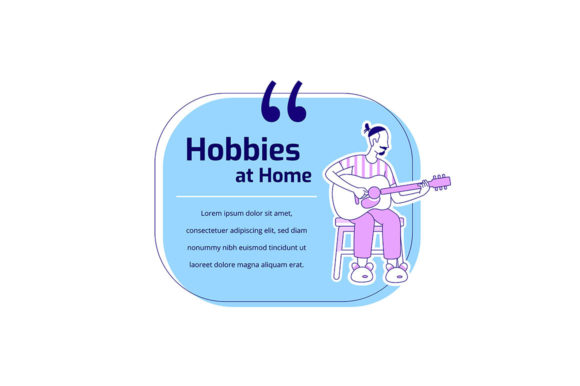
The Playing Guitar Flat Silhouette Vector presents a minimalist yet expressive figure of a man relaxing indoors while playing guitar. It's a simple silhouette, but the posture and context—music, hobbies at home—convey a sense of calm creativity. The speech bubble adds a subtle layer of invitation, as if the character is about to share a quote or thought.
This kind of visual personality works well in designs where the message isn’t too loud. If you’re aiming for something understated but meaningful, this illustration could be a perfect fit. Its flat style aligns nicely with modern embroidery trends, especially when paired with text or other clean graphics. It feels like it belongs on a cozy sweatshirt or a personalized tote bag, not just because of its theme, but due to its balanced proportions and lack of overly intricate details.
Real-World Use: What Works Best?
I recently considered using this design for a line of custom sweatshirts aimed at creative hobbyists. Here’s how it performed across different scenarios:
- Tote Bag Design: Placed centrally on a cotton canvas tote, the silhouette stood out clearly without overwhelming the fabric. The simplicity made it easy to scale up for larger formats.
- Sweatshirt Embroidery: On a medium-weight fleece, the character retained its crisp lines, especially when using a light stabilizer. The speech bubble was stitched with running stitch, which kept the weight minimal.
- Embroidered Patch: When converted into a patch, the design maintained its integrity and looked great on denim jackets and backpacks. No need for extra embellishments; the flat look worked beautifully as a standalone feature.
- Nursery Decor: For a holiday gift idea involving a pillow cover, I found the design had enough personality to stand alone, even without text. Parents loved the idea of representing a musical hobby in a child’s room subtly.
One standout moment came when I used the quotation empty text box element for a set of printable mockups. It gave customers a clear idea of where they could add their own words or quotes, making it ideal for Etsy listings targeting DIY enthusiasts.
Where This Design Shines
The flat silhouette format is inherently forgiving in terms of stitch complexity. Because it doesn't rely on shading or color gradients, it translates well into machine embroidery. The character is stylized but still recognizable, which helps with brand consistency and product recognition.
For craft fair products, I’ve seen similar silhouettes become conversation starters. People connect with them because they represent shared interests or lifestyles. A person seeing this design on a tea towel or apron might feel it reflects their passion for music and home hobbies, increasing buyer engagement.
Caution Zones: Where to Use Carefully
While the Playing Guitar Flat Silhouette Vector is versatile, there are some limitations to keep in mind:
- Small Hoop Sizes: The character is fairly large, so if you're working within tight hoop constraints (like on caps or tiny patches), you’ll need to downscale carefully to preserve key features.
- Textured Fabrics: Stitching on flannel, corduroy, or felt may cause the lines to appear uneven or distorted. Test it first on a sample piece.
- Thin or Stretchy Fabrics: Delicate materials like silk or spandex can cause distortion in the lines, especially around the edges of the silhouette. A heavier fabric or additional stabilizer may help.
- Dark Fabric Backgrounds: While the white background in the ZIP file looks good in digital form, when applied to dark fabrics, thread contrast becomes critical. You'll want to choose bright white or cream-colored threads for visibility.
- Curved Surfaces: On curved items like baseball caps or mugs, the flat layout may require some tweaking to maintain proportion and clarity.
Also, since the design includes a speech bubble and a quotation frame, those elements should be reviewed closely for stitch density and alignment. Tiny lettering inside these areas won’t work unless you have high-quality fonts and precise settings. If you plan to offer personalized gifts, you may need to pair this with a separate text design or adjust the existing one to allow for customization.
Visual Appeal vs. Stitching Clarity
What makes this design visually appealing also contributes to its stitching clarity. The bold outlines and lack of internal shading mean fewer stitches are needed to render the image accurately. That’s a win for both handmade product makers who want to avoid long stitch times and commercial embroidery projects where efficiency matters.
However, don’t mistake simplicity for ease. The placement of the hands and body during the guitar-playing pose requires careful attention to tension and stitch direction. Any inconsistencies here can make the figure look awkward post-stitching.
Practical Designer Notes
Here are some actionable tips from experience when working with the Playing Guitar Flat Silhouette Vector:
- Test on Scrap Fabric First: Especially if you're planning to use it on a new material or in a smaller hoop size. This will help you catch issues early.
- Check Thread Color Contrast: Since the design relies on shape rather than color, ensure your thread stands out against the chosen fabric. Consider black, white, or pastel shades depending on the garment.
- Review Stitch Density: The character’s limbs and clothing may require adjustments in stitch spacing to prevent puckering or stiffness, particularly on stretchier or layered garments.
- Confirm Hoop Size: Make sure your hoop can accommodate the full design, especially if you're adding text or decorative accents later.
- Inspect Small Details: Look at the hands, head, and outline of the guitar to see if they hold up after multiple test stitches. These are the parts most likely to lose definition.
- Use Proper Stabilizer: A tear-away or cut-away stabilizer can help keep the lines sharp, especially on delicate or stretchy materials.
- Test in Black and White Mockups: This will give you a better idea of how the design will look in grayscale, which is often how people perceive embroidery.
- Compare Light and Dark Backgrounds: See how the design performs on contrasting colors. This can affect customer perception and usability in different product types.
- Consider Licensing Before Selling: Always confirm whether the digital embroidery file allows commercial use. Without proper licensing, selling finished items or digital assets could lead to legal issues.
Design Asset Value and Customer Trust
As an embroidery project asset, this design has solid potential. It offers a consistent look that can be adapted for various uses—from personal keepsakes to boutique branding. The fact that it’s part of an illustrations category means it’s likely scalable and modifiable, which is a big plus for creative entrepreneurs looking to customize their offerings.
Customer trust comes into play when the design is used on handmade shop items. A clean, professional-looking machine embroidery design shows quality and intentionality. Even though the speech bubble is empty, it invites personalization, which can enhance perceived value and make the product more unique.
Final Thoughts for Real Project Use
In my testing, the Playing Guitar Flat Silhouette Vector delivered a strong, cohesive visual that worked well on several product types. Its strength lies in its adaptability and emotional resonance—it doesn’t shout, but it speaks volumes. Whether you're creating small shop product lineups or offering personalized holiday gifts, this design can add a thoughtful touch to your collection.
Still, remember to always treat it like any other embroidery file. Don’t assume it will behave perfectly on every surface or in every scenario. Take time to evaluate it in the context of your specific project. With a bit of preparation and attention to detail, this graphic can become a trusted part of your design toolkit.