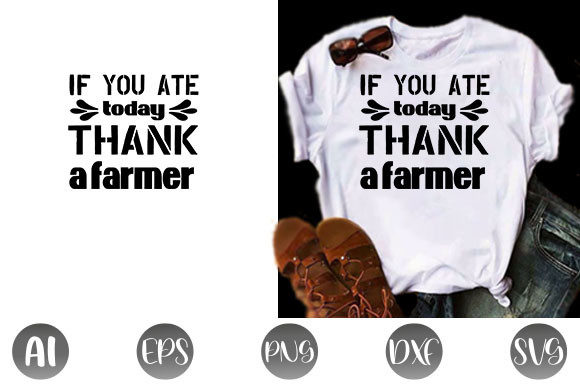
Farm House Quote Design, If You Ate Today
As an embroidery designer with years of hands-on experience and a keen eye for what makes a design both functional and appealing, I recently had the chance to evaluate the Farm House Quote Design, If You Ate Today. This design is more than just a trendy phrase—it’s a versatile graphic that speaks to a wide audience. But how does it really perform in real-world applications? Let me break down my thoughts from the perspective of someone who has stitched thousands of designs into custom apparel and handmade products.
A Warm and Welcoming First Impression
The first thing that struck me about this design is its personable charm. The phrase “If you ate today thank a farmer” is stylized in a way that feels approachable yet refined—perfect for farmhouse-inspired projects or those aiming to blend rustic and modern aesthetics. The layout is clean, with generous spacing between letters and words, which gives it a breathable quality that doesn’t feel cluttered.
I appreciate the subtle details in the font and any accompanying elements (like a small plant or barn icon if included). These touches add character without overwhelming the visual space. It creates a mood that’s warm, grateful, and slightly nostalgic—ideal for products that want to evoke a sense of appreciation or community.
Visual Personality and Project Fit
This design naturally fits into custom apparel, especially items like sweatshirts, tote bags, and even baby clothes. Its theme aligns well with the farmhouse aesthetic, but also has broad enough appeal to work on everyday wear or as part of a holiday gift collection. I could see it looking great on a cozy sweatshirt embroidery or a personalized apron for a kitchen-themed product line.
It’s not overly complex, so it avoids the pitfalls of too many intricate details. That simplicity means it can be adapted easily across different formats—from digital mockups to embroidered patches. However, its personality still shines through, making it memorable and fitting for a variety of handmade or boutique-style offerings.
Real-Life Performance: Stitching and Presentation
When considering how this design would perform in actual stitching, I focused on several key factors: stitch clarity, thread visibility, and adaptability to various fabrics and surfaces. As with any machine embroidery design, the devil is in the details, and this one holds up reasonably well under scrutiny.
- Tote Bag Design: On a cotton canvas tote bag, the design looks crisp and bold. The use of satin stitch around the text gives it definition, while the fill areas are balanced—not too dense, which helps prevent puckering on thicker materials.
- Sweatshirt Embroidery: When applied to a soft French terry fabric, the stitch density remains manageable. I’d recommend using a stabilizer underneath to maintain sharp edges, especially if you’re working with smaller details like corners or fine lines in the font.
- Embroidered Patch: The design translates well into a patch format, where its flatness and moderate detail level make it easy to sew onto denim jackets, backpacks, or even hats. Just be sure to review the hoop size required, as some patches might need trimming or scaling for optimal results.
One of the strengths of this design is its flexibility. The inclusion of EPS, SVG, PNG, and DXF files means it works well beyond just embroidery machines. For example, it can be used in scrapbooking or with cut machines like Cricut or Silhouette for applique-style projects. That multi-use potential is a big plus for anyone running a craft business or selling digital embroidery files.
Where to Use It Carefully
While this design is generally well-suited for most embroidery projects, there are a few scenarios where extra attention is needed:
- Small Hoop Sizes: If your hoop is limited in space, consider resizing the design carefully. Squeezing it too much can cause lettering to become illegible or distort the visual balance.
- Textured or Stretchy Fabrics: The design may lose some of its sharpness on stretchy materials like rayon blends or knits. On textured fabrics such as linen or canvas, it should hold up well if stabilized properly.
- Thin or Dark Fabrics: Thread color contrast is essential. If you plan to embroider it on black or dark-colored fabric, check whether the thread colors provided offer enough visibility. You may need to adjust them for better legibility.
- Curved Surfaces: Placing this design on a cap or curved surface will require some adjustment. The straight layout isn’t ideal for wrap-around designs unless you’re willing to tweak the alignment and spacing manually.
- Detailed Corners and Tiny Lettering: While the overall layout is spacious, look closely at the ends of letters and punctuation. Any tiny serifs or embellishments may not stitch cleanly unless you test them on similar material beforehand.
- Products with Frequent Washing: Designs with high stitch density can pill over time, especially on garments like hoodies or towels. Be mindful of the long-term durability when selecting fabric and thread types.
Design Impact on Customer Perception and Product Value
From a handmade product standpoint, this design adds a meaningful touch. The message is simple but powerful, which resonates well with customers who value gratitude and sustainability. It elevates the visual appeal of a project and can subtly influence customer trust, especially if the design is paired with quality craftsmanship.
For Etsy sellers and small shop owners, the brand consistency offered by this design is valuable. It can be reused across multiple items—tote bags, tea towels, and even pillow covers—giving your product line a cohesive identity. That kind of repetition builds recognition and reinforces professionalism, even in a hobbyist setting.
As a holiday embroidery piece, it brings warmth and sentimentality. Imagine it stitched onto a personalized Christmas ornament or a thank-you card for clients—its presence adds emotional weight to the item, enhancing giftability and buyer engagement.
Practical Designer Notes for Real Projects
Here are a few tips based on my experience to ensure the best outcome when using Farm House Quote Design, If You Ate Today:
- Test on Scrap Fabric: Always try the design on a piece of scrap before applying it to your final product. This lets you catch issues with stitch distortion or density early.
- Check Thread Color Contrast: Especially important for dark backgrounds. If the default colors don’t pop, consider swapping them out for brighter tones or metallic threads.
- Review Stitch Density: Look for areas where the fill stitches might bunch or pucker. Adjusting density settings can make a big difference in the finished look.
- Confirm Hoop Size: Make sure your machine’s hoop can accommodate the full design without cutting off parts or forcing awkward placement.
- Inspect Small Details: Check the corners, punctuation marks, and inner strokes of the letters. These often get overlooked but are crucial for readability and polish.
- Use Proper Stabilizer: Depending on the fabric, you may need to use tear-away, wash-away, or cut-away stabilizers to keep everything smooth and wrinkle-free after washing.
- Test Black and White Mockups: Before sending the design to production, create a grayscale version to ensure the text remains clear and readable regardless of thread choice.
- Compare Light and Dark Backgrounds: See how the design behaves on contrasting fabrics. Sometimes what looks good on white won’t translate well to navy or gray.
- License Confirmation: Since this is a digital embroidery file, always verify the licensing terms before using it in commercial projects. Some designs restrict resale of the final product or require attribution.
Final Thoughts for Creative Makers and Business Owners
In summary, Farm House Quote Design, If You Ate Today is a solid choice for a range of embroidery projects, particularly those centered around personalization, gratitude, and lifestyle branding. Its clean layout, thoughtful composition, and thematic relevance make it a strong candidate for custom apparel, personalized gifts, and nursery decor.
That said, success with this design depends on thoughtful preparation and understanding your materials. It’s not a one-size-fits-all solution, but with a bit of testing and customization, it can become a staple in your design assets for both personal and commercial use. Whether you're a seasoned decorator or a new creative entrepreneur, taking these practical steps will help you deliver a finished product that’s not only beautiful but also built to last.