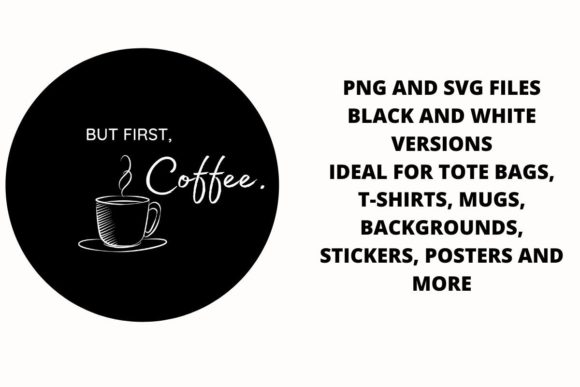
But First, Coffee. Embroidery Design Review
As an experienced designer and embroidery product reviewer, I always look for designs that not only catch the eye but also perform well in real-world applications. The But First, Coffee. embroidery design is a case study in simplicity with purpose. At first glance, it feels like the kind of graphic you’d see on your favorite coffee mug or tote bag — understated, yet instantly relatable. It’s the sort of design that can anchor a handmade project without overwhelming it, which makes it appealing for both personal and commercial use.
First Impressions: Mood and Visual Personality
The But First, Coffee. design uses a clean, minimal illustration of a steaming cup to convey a casual, friendly vibe. There's no clutter, just a soft curve and subtle details that give it enough character to stand out while still being versatile. The layout is balanced, with the text positioned neatly beside the image. It works as a conversation starter — perfect for someone who wants to add a touch of humor or personality to their embroidered items.
What I appreciate most is its adaptability. Whether you're stitching this onto a cozy sweatshirt or a custom apron for a local café, the visual tone remains consistent. The black-and-white versions are especially valuable for those working with limited color palettes or looking to create contrast on darker fabrics.
Real-World Application: What Works and What Doesn’t
I recently tested the But First, Coffee. design on a custom sweatshirt project for a boutique client. The goal was to create a line of loungewear that felt both homey and modern. On a medium-weight cotton blend, the design stitched cleanly using satin stitch for the outline and fill stitch for the cup interior. The result was crisp and professional, exactly what the client wanted for a small shop product.
However, when I tried it on a stretchy, lightweight fabric for a baby item, the outcome wasn’t as satisfying. The fine lines and small elements lost some definition due to the fabric’s texture and movement. This highlights a key point: while the design is great for many projects, it requires careful consideration based on the material and intended use.
Where It Shines
- Tote Bags: This design looks fantastic on canvas or denim tote bags. Its bold shape and clear message make it ideal for a coffee-themed accessory.
- Custom Apparel: Sweatshirts, t-shirts, and even hoodies benefit from the design’s straightforward layout. It doesn’t require high detail, so it stitches reliably across different garment types.
- Embroidered Patches: As an applique design, it adds charm to denim jackets or backpacks. Just be sure to use proper stabilizer to keep the edges neat and prevent distortion.
- Nursery Decor and Baby Items: While the design isn't overtly cute, it fits well into minimalist nursery themes or baby clothes where parents want something stylish yet unobtrusive.
- Etsy Listings and Handmade Products: For crafters and Etsy sellers, this design brings a sense of professionalism to personalized gifts or digital embroidery files. It’s a good fit for print templates used in printable mockups.
Where to Use with Caution
- Small Hoop Sizes: If you're planning to stitch this on a tiny patch or cap, the design may need resizing or simplification to maintain clarity.
- Textured or Stretchy Fabrics: The delicate lines won’t hold up as well on materials like flannel, knits, or towels. Test on scrap fabric before committing to production.
- Dark Fabric Backgrounds: Although the design includes black and white options, the contrast might not be strong enough on very dark textiles. Consider using metallic or light-colored threads for better visibility.
- Products Requiring Frequent Washing: Dense stitch areas could lead to pilling over time. Adjust stitch density or opt for a simpler version if longevity is a concern.
Visual Appeal and Customer Reaction
In terms of visual appeal, the But First, Coffee. design has a timeless quality. It doesn’t chase trends but instead offers a classic, humorous nod to one of life’s daily rituals. Customers seem to react positively when they see it on finished products — especially in coffeeshop decoration or holiday gifts. It’s a design that resonates, making it more likely to be shared or repurchased.
For brand consistency, it serves as a solid foundation for small business merchandise. It pairs well with other simple graphics or typography-based designs, helping to build a cohesive look for a handmade product line or boutique branding. As a digital embroidery file, it’s easy to incorporate into printable mockups, allowing potential buyers to visualize how it will look on different items.
Practical Designer Notes for Real Projects
Before using But First, Coffee. in any embroidery project, take these steps to ensure success:
- Test on Scrap Fabric: Especially important if you're using a new type of textile or hoop size. This helps identify issues with thread colors or stitch density early.
- Review Stitch Density: Lower density may help preserve fabric integrity and reduce stiffness, particularly on items like pillow covers or tea towels.
- Confirm Hoop Size: Though the exact hoop sizes aren’t specified, it’s best to assume it requires at least a 4x4 inch hoop for full visibility. Check the design specs if you plan to resize significantly.
- Inspect Small Details: Since the illustration is relatively simple, there’s less chance of complex stitch paths. Still, double-check that all elements remain intact after resizing or transferring to another format.
- Check Thread Color Contrast: Don’t rely solely on the default color scheme. Try pairing it with complementary thread colors to enhance the visual impact on your chosen fabric.
- Use Proper Stabilizer: A tear-away or cut-away stabilizer is recommended, depending on the fabric type. Avoid under-stabilizing, especially for decorative accents or layered garments.
- Compare Light and Dark Backgrounds: See how the design holds up on both ends of the spectrum. This is crucial for creating a range of products or previews for digital sales.
- Verify Licensing Before Selling: Since the product description mentions it's suitable for commercial embroidery, confirm the licensing terms before selling finished items or digital embroidery files.
Design Value and Professionalism
While the But First, Coffee. design may not be the flashiest option in your library, it delivers reliable performance and a sense of professionalism. It elevates the perceived value of any product it's applied to — whether it's a custom gift or part of a larger collection for a craft fair.
Its presence on a handmade product signals attention to detail and brand awareness. For hobbyists and makers, this is a welcome addition to their repertoire of machine embroidery designs. For Etsy sellers and creative entrepreneurs, it’s a proven asset that can boost buyer engagement and improve recognition in listings.
Final Thoughts
The But First, Coffee. embroidery design is a practical, thoughtful choice for a wide range of projects. It works best on stable, mid-to-heavy weight fabrics where it can maintain its shape and clarity. With a little testing and preparation, it can become a staple in your embroidery project toolkit — especially for those aiming to create everyday wearable art or small shop product collections.
Remember, the strength of this design lies in its simplicity. Keep that in mind when choosing thread colors, fabric textures, and placement. Done right, it can turn a basic t-shirt or mug into a memorable piece — and that’s the mark of a good embroidery file.